Covering & Crop Protection
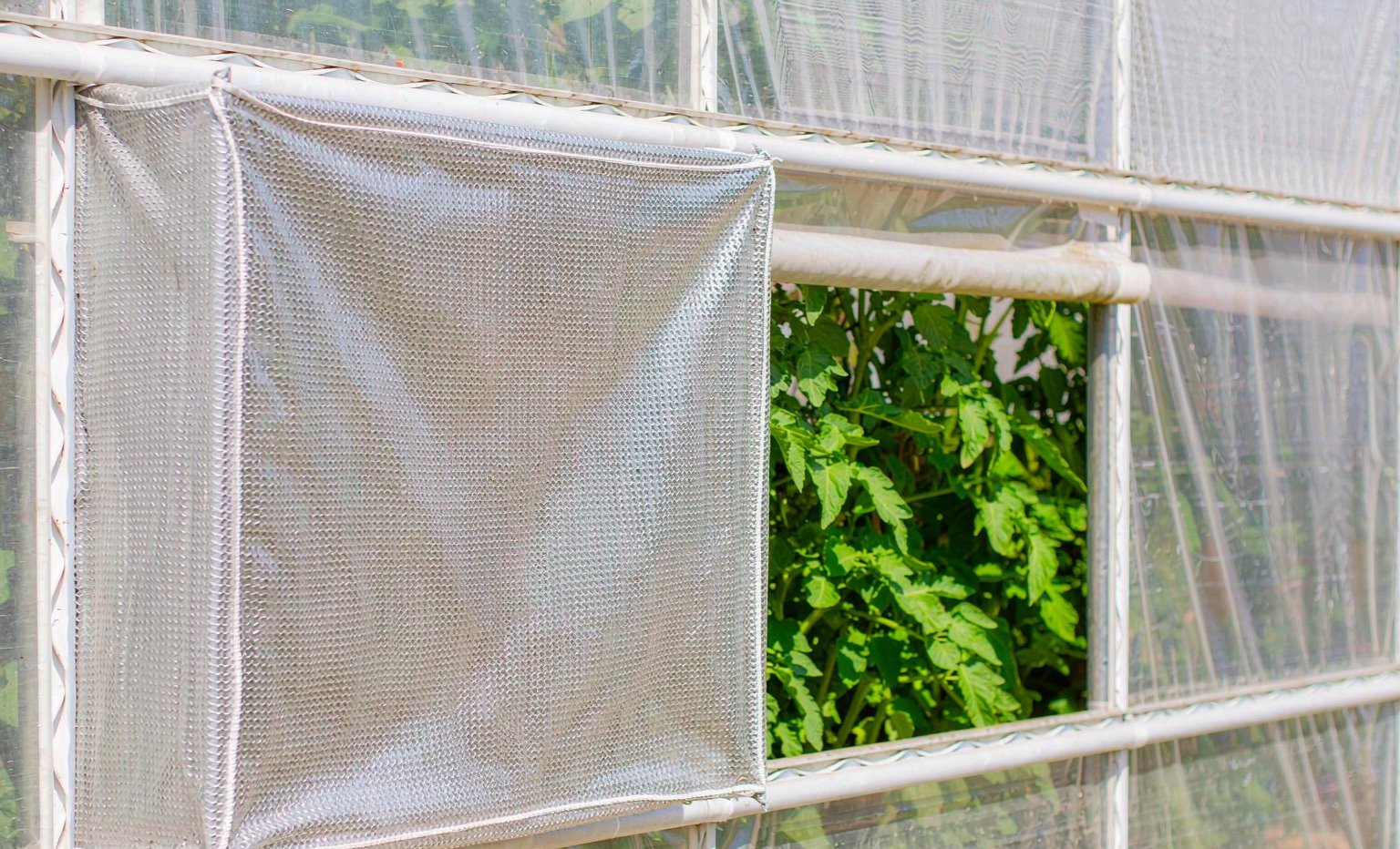
Insect Net for Greenhouse Openings — Mesh Rated, Not Guessed
Precision-woven and knitted HDPE insect netting from 17 to 50 mesh, engineered to block whitefly, thrips and leafminer while keeping tunnel ventilation working. Aperture, thread diameter and airflow are documented for every grade.
Smaller mesh is not automatically better
Mesh choice is a trade-off between pest exclusion and ventilation. A 50-mesh screen blocks whitefly and thrips but also cuts airflow and can push tunnel temperatures upward on still days; a 25-mesh protects against aphids and larger moths while breathing freely. We publish aperture and open-area data for every grade so you can match mesh to pest pressure and climate instead of guessing.
For dusty regions we recommend grey UV-stabilized monofilament, which stays visible for maintenance and resists clogging better than clear grades.
Screen the pest, not the breeze.
Technical range at a glance
Standard configurations below. Most parameters are adjustable to your project — send the requirement and we confirm feasibility in writing.
| Parameter | Range / Options |
|---|---|
| Mesh count | 17, 25, 40, 50 mesh (per inch) |
| Thread | UV-stabilized HDPE monofilament |
| Aperture | Documented per grade (mm) |
| Open area | Maintained above ventilation minimums per grade |
| Width | 1 – 8 m, foldable to narrower strips |
| Color | Clear, grey, black |
| Weight | Approx. 60 – 130 g/m² by grade |
| Service life | 5–8 seasons under normal tension |
Made in our plant, proven in your fields
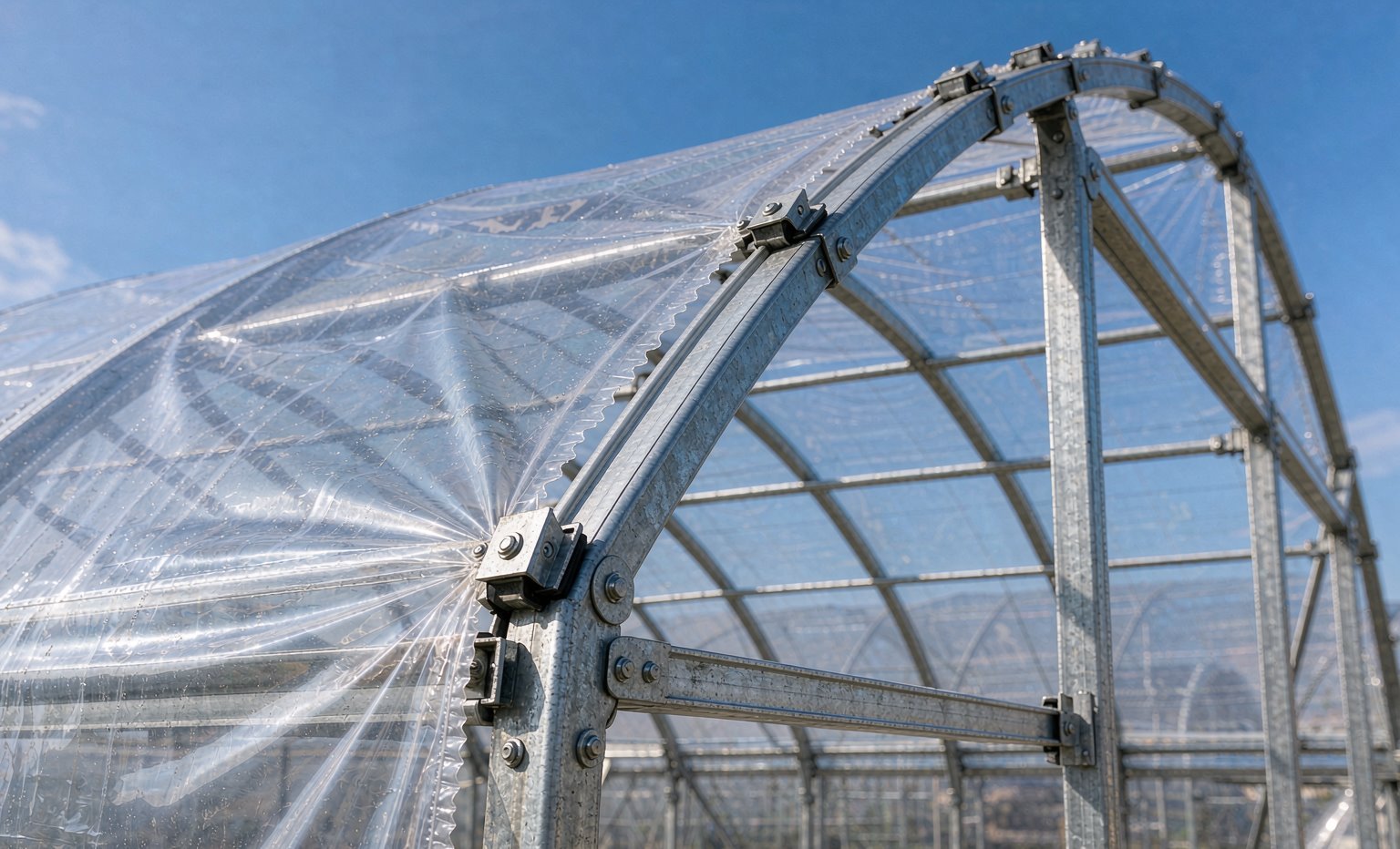
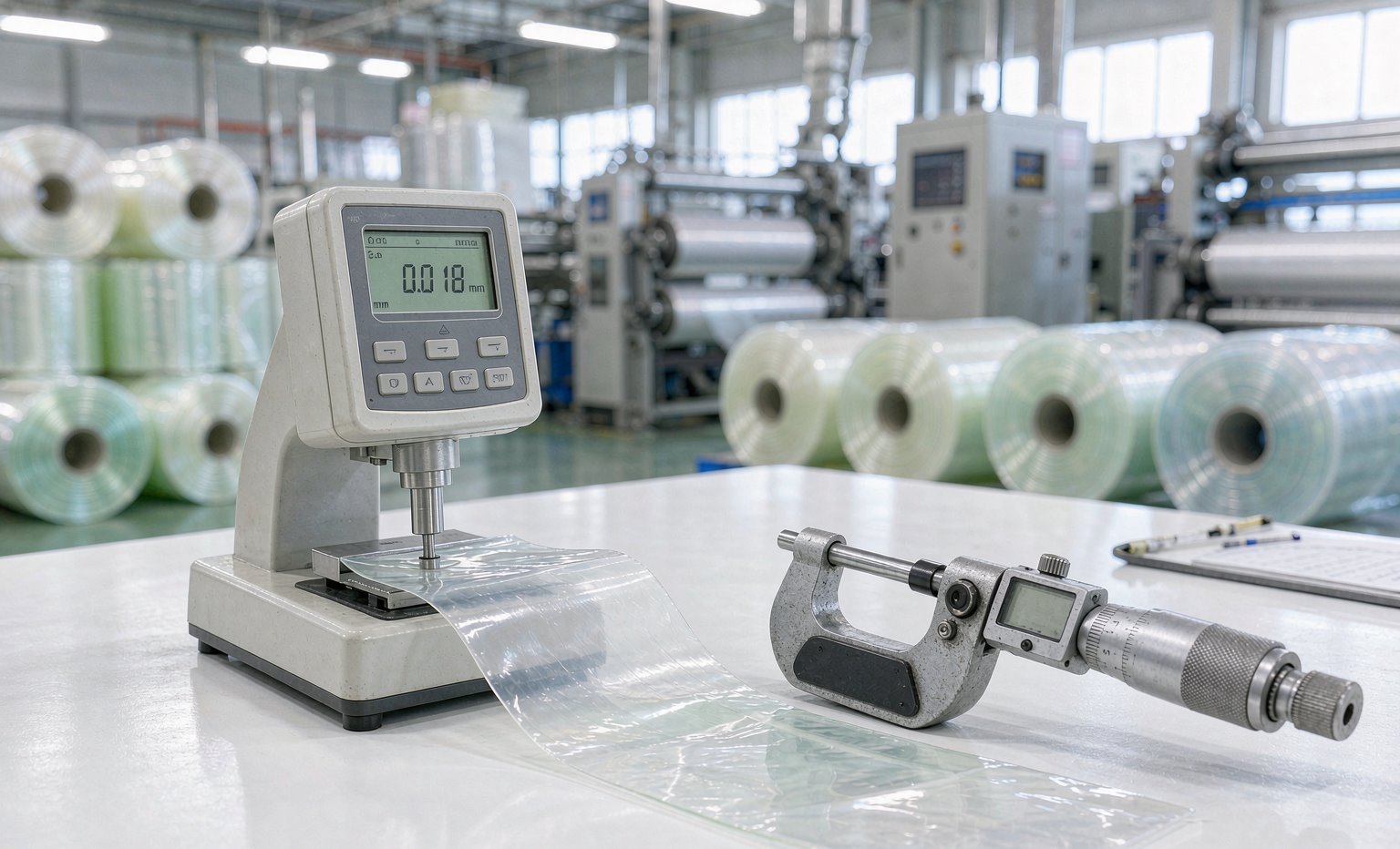
From blown-film and weaving lines to container packing — and the fields where our material spends its working life.
Where this product works
Vent openings
Side and roof vents screened against whitefly and thrips.
Doorways & vestibules
Double-door insect barriers for high-traffic tunnels.
Nursery houses
Full enclosures for propagation and young-plant areas.
Storage & curing sheds
Keep moths and birds out of harvested crop storage.
How to buy this product well
Four checks we recommend before you sign any purchase order — with us or with anyone else.
Match mesh to your worst pest
Whitefly and thrips need 40–50 mesh; aphids and moths are handled by 25 mesh with far better airflow.
Size the vent area after screening
Screening adds static pressure. We help you recalculate open vent area so fan performance and natural convection still work.
Check UV package, not just mesh count
Net that embrittles in two seasons is false economy. Our monofilament carries a 5-year UV package.
Plan the fixing profile
We supply net in widths that fit standard aluminum vent profiles without on-site cutting.
One factory, one accountable supplier
Extrusion, weaving, QC and export documentation under our own roof in Xuzhou — 25 years of manufacturing, shipped worldwide.
Questions buyers ask first
What mesh blocks whitefly?
40–50 mesh is the standard for whitefly and thrips exclusion. 25 mesh is sufficient for aphids, leafminer moths and larger insects.
Does 50-mesh reduce airflow a lot?
It increases static pressure noticeably. Compensate with 10–20% more open vent area, or choose 40 mesh where climate allows.
Can I get the net in custom widths?
Yes, from 1 m to 8 m, and we can fold wide webs into narrower strips to fit your profile system.
How do I clean the net between seasons?
Soft brush and low-pressure water. Avoid solvents — they attack the UV stabilizer in the monofilament.
Build the full crop system
Get a quotation with real documents
Specification sheet, UV warranty and lead time — in writing, within 24 hours.