Drip tape is the cheapest irrigation component on your farm and the one that fails most publicly — one clogged or burst line and a whole bed misses its water. Almost every drip failure traces back to one of seven specification decisions that were never made clearly at ordering time. Here are the seven questions, and the answers a serious supplier should give you.
Question 1: What is the wall thickness — and what does it survive?
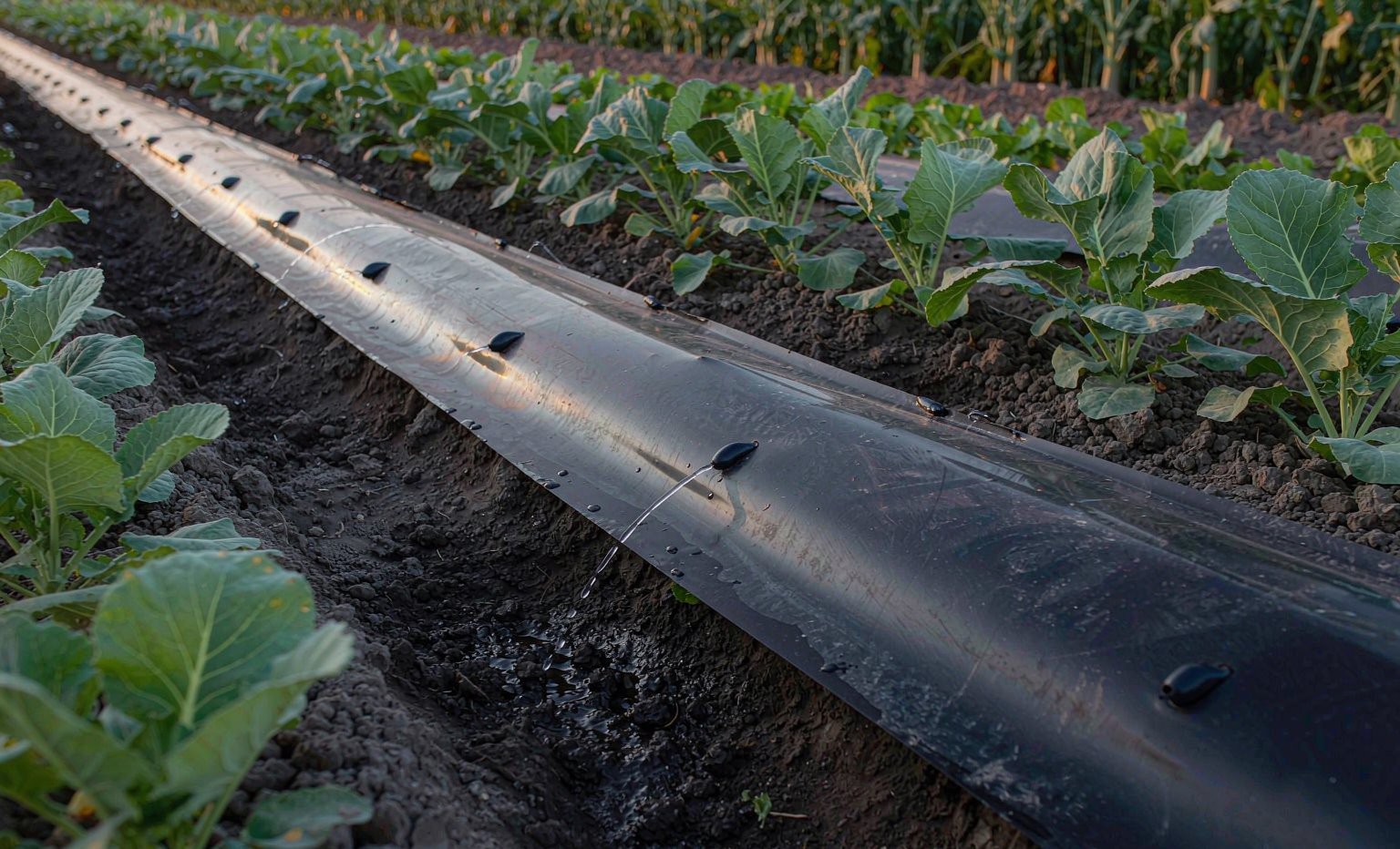
Drip tape wall thickness is quoted in millimetres: 0.15 mm (light, single season), 0.2 mm (the commercial standard), 0.3 mm and up (multi-season, rocky or mechanized fields). Thin tape costs less per metre but bursts at kinks and rodent bites; on stony ground a 0.15 mm tape can lose whole beds mid-season. For open-field vegetables in Africa, 0.2 mm is the sensible default; go 0.3 mm only for multi-year crops or where you recover and re-lay the tape each cycle.
Question 2: What emitter spacing does my crop need?
| Emitter spacing | Typical crops | Note |
|---|---|---|
| 10–15 cm | Onions, carrots, garlic — dense broadcast root systems | Wets a continuous strip; higher flow demand per metre |
| 20 cm | Tomatoes, peppers, most row vegetables | The standard commercial spacing |
| 30 cm | Melons, watermelon, maize, wider crops | Fewer emitters, lower cost per metre |
Match spacing to the root zone, not the plant stand: sandy soils wet a narrow bulb, so closer spacing prevents dry pockets between emitters.
Question 3: What is the flow rate per emitter, and how long can my rows run?
Common emitters release 1.0–2.0 litres per hour at rated pressure. Flow rate and row length work together: low-flow tape keeps pressure even across longer rows (up to 80–100 m), while high-flow tape wets faster but evens out poorly beyond 40–60 m. Tell the supplier your row length and slope — the answer changes which tape you should buy.
Question 4: What filtration does this tape require?
This is the question that prevents 90% of clogging complaints. Emitter passages are under 1 mm wide, so:
- Open water (river, dam, canal) — screen or disc filter of 120 mesh (about 125 micron) minimum, plus flushing valves at row ends.
- Borehole water with sand — a sand separator before the screen filter, or the sand eats the emitters.
- Iron-rich water — plan for periodic acid flushing; deposits slowly choke emitters even with perfect filtration.
Question 5: What pressure does the tape run at — and what kills it?
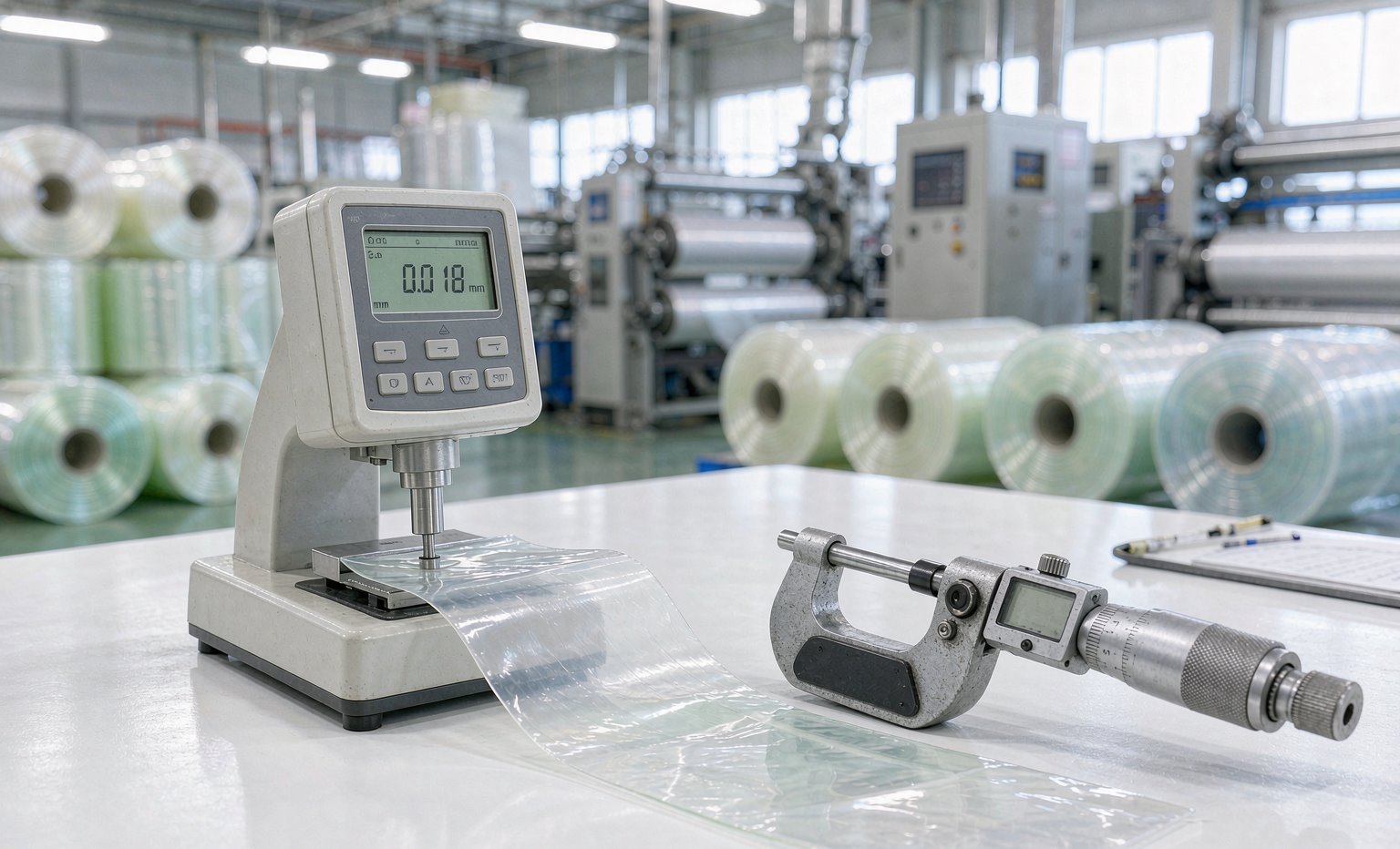
Drip tape works at 0.5–1.0 bar (8–15 psi). It is not dripline: connect tape directly to a high-pressure line without a pressure regulator and the seams split along their whole length on the first irrigation. Confirm the regulator is in your kit, and that the supplier states the rated pressure on the box.
Question 6: How is it packed, and what accessories come with it?
- Rolls of 1,000–2,000 m on sturdy cores, wrapped against sunlight and dust — tape exposed on a lorry for days loses UV life before installation.
- Start connectors, offtakes, end plugs and repair couplings — order them with the tape, in the correct diameter (16 mm and 20 mm are the common sizes). Missing fittings strand a shipment at the farm gate.
- Layflat mainline and manifold sizing — ask the supplier to size these from your field layout, not by guesswork.
Question 7: What is in writing when the proforma arrives?
- Wall thickness in mm (not “heavy duty”).
- Emitter spacing in cm and flow rate in l/h at stated pressure.
- Roll length and number of rolls.
- Filtration recommendation for your water source.
- UV-stabilized formulation (tape often sits in the sun a season).
- Fittings list matched to your layout.
- Lead time, packing method and port/destination.
Frequently asked questions
Drip tape or dripline — which should I buy?
Tape (flat, thin-walled, pressurized seams) is for annual row vegetables laid each season. Dripline (round, thick wall 0.9–1.2 mm, pressure-compensating) is for permanent crops — orchards, roses, hedges — and lasts many years. Choosing tape for orchards means replacing it yearly; choosing dripline for vegetables means paying five times too much.
Why do my emitters clog even with a filter?
Three usual causes: filter mesh too coarse for the emitter, no end-flushing routine (sediment accumulates at row ends), or biological sludge in surface water — which needs regular flushing and sometimes chlorination, not just a finer filter.
Can I reuse tape for a second season?
0.2 mm tape can be recovered, rolled and re-laid once if the field is clean and the tape is drained; expect 10–20% losses to damage. 0.15 mm tape is normally single-use. Recovery only pays if you have storage away from sunlight and rodents.
What water source works with drip tape?
All of them — with the right filtration. Dam and river water need 120-mesh screening plus flushing; boreholes need sand separation where relevant. The tape itself does not care; the filter does the work.
Send us your field layout and water source
We will size the tape, fittings and filter set, and quote within 24 hours.
Related guides
Drip irrigation product line and accessories
Tape, layflat hose, fittings and filters sized for your layout.
Read more →
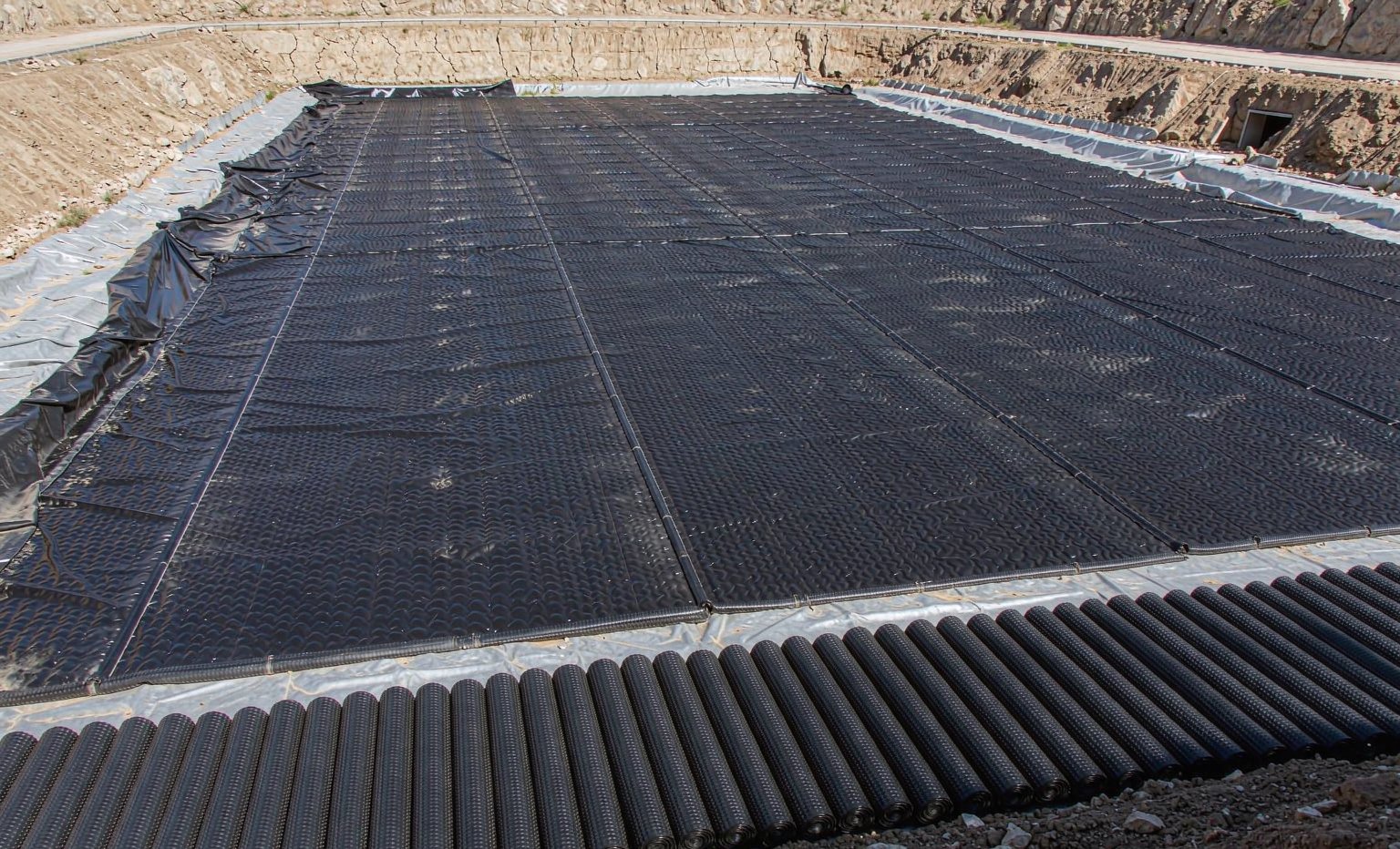
Pond liners that hold your irrigation water
HDPE and PVC liners for farm dams and water storage.
Read more →
Talk to the Factory Directly
Technical replies within 24 hours, Mon–Sat.
Read more →