Most greenhouse film disputes between buyers and suppliers do not start on the farm — they start at the moment of ordering, when thickness and UV rating are written down unclearly. A roll sold as “good quality” can mean 80 micron to one factory and 150 micron to another, and a “3-year” film without a stated UV package is a hope, not a specification. This guide gives you the numbers to insist on before money changes hands.
1. Thickness: why microns decide everything
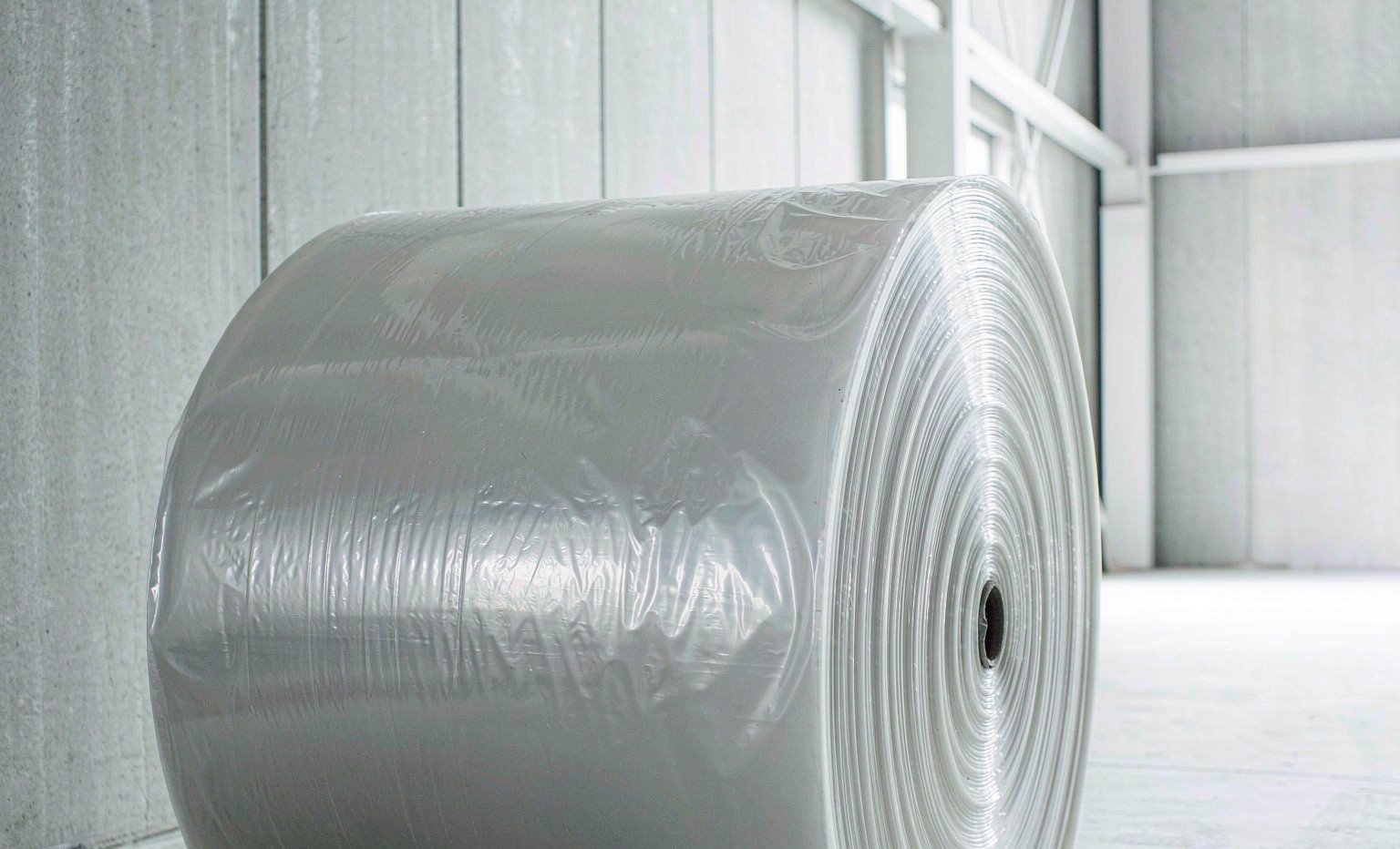
Film thickness is measured in microns (µm) — one micron is one thousandth of a millimetre. Thickness drives tear strength, how the film survives installation, and how long the UV package lasts. The common commercial range:
| Thickness | Typical use | Realistic service under tropical UV |
|---|---|---|
| 80–100 µm | Short cycles, seedling nurseries, trial plots, low-wind sheltered sites | One season (6–10 months) |
| 120–150 µm | The commercial standard for tomato, pepper and cucumber tunnels | 2–3 seasons with a matched UV package |
| 180–200 µm | High-wind zones, multi-year covers, hail-exposed sites | 3–4 years when UV grade matches |
2. What a “3-year UV” claim actually means
The UV lifespan printed on quality film refers to the UV stabilizer package — usually HALS (hindered amine light stabilizers) blended into the core layer during co-extrusion. It is a rating of how long the film resists UV brittleness, not a warranty unless the supplier puts it in writing. Real lifespan depends on four local factors:
- UV index at your site — equatorial highlands and coastal desert sites degrade film much faster than temperate zones.
- Installation tension — over-stretched film thins at fixing points and fails there first, regardless of UV grade.
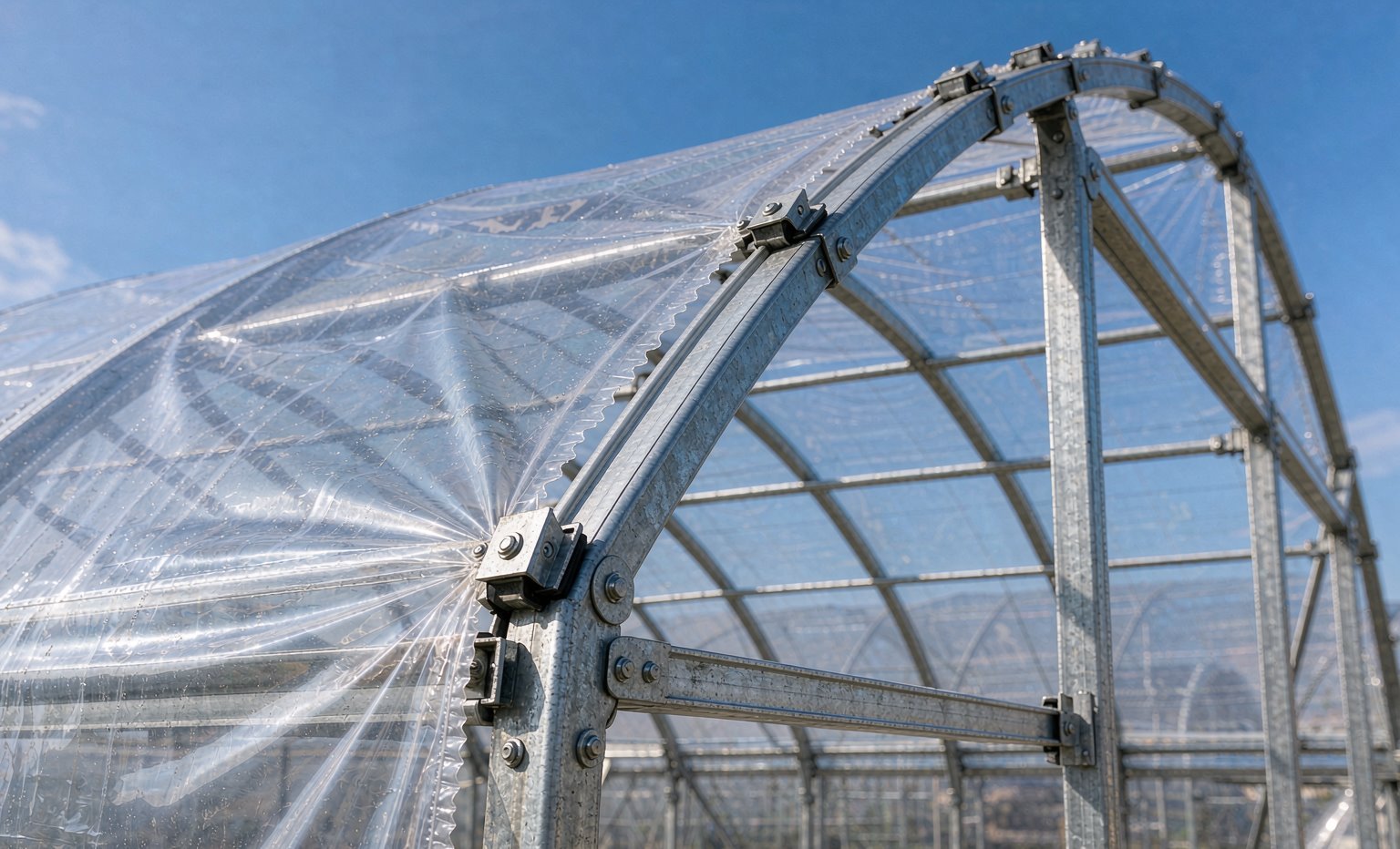
- Frame contact — hot metal pipes painted black can burn the film locally where it touches.
- Chemical exposure — sulfur and certain pesticides used on roses and tomatoes attack halogen-free UV packages; tell the supplier your spray programme.
3. Cost per year beats cost per roll
Comparing rolls by price alone is the most expensive mistake in this trade. Judge every quote by cost per growing year:
| Option | Upfront price | Replaced | Cost logic |
|---|---|---|---|
| 80 µm one-season film | Low | Every season | Cheap twice = expensive once. Two rolls + two installation labours often exceed one 150 µm roll. |
| 150 µm, 3-year UV | Higher | Every 3 years | Highest value for permanent tunnels and cash crops. |
| 200 µm, 4-year UV | Highest | Every 4 years | Pays off in high-wind or hail-prone sites; overkill elsewhere. |
As a rule of thumb: if a 3-year film costs less than 1.6× the one-season film, it is usually the better buy once you count re-installation labour and the crop downtime during replacement.
4. Matching thickness and type to your crop
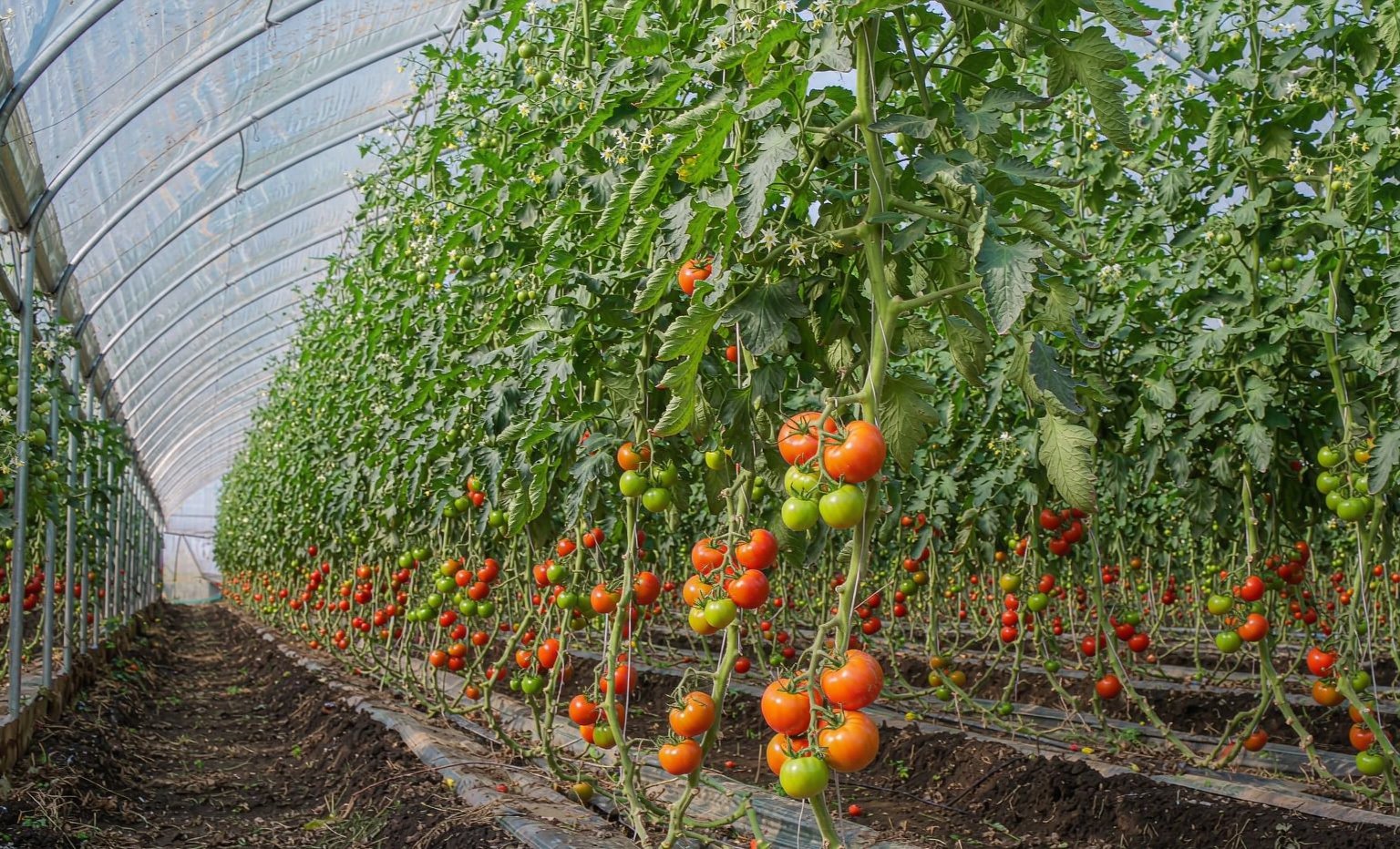
- Tomatoes and cucumbers, humid lowlands — 150 µm diffuse + anti-drip; drips on flowering rows spread leaf disease fast.
- Seedlings and leafy greens — 80–100 µm clear film for maximum light in short cycles.
- Flowers (roses, carnations) — 150 µm with a sulfur-resistant UV package if you spray fungicides.
- Highland or wind-exposed farms — 180–200 µm, thermal/IR layer for cold nights, and a written wind rating.
5. The pre-payment checklist
- Get the specification in writing: thickness (µm), finished width, UV years, and the additive package (anti-drip, anti-fog, thermal/IR, anti-dust).
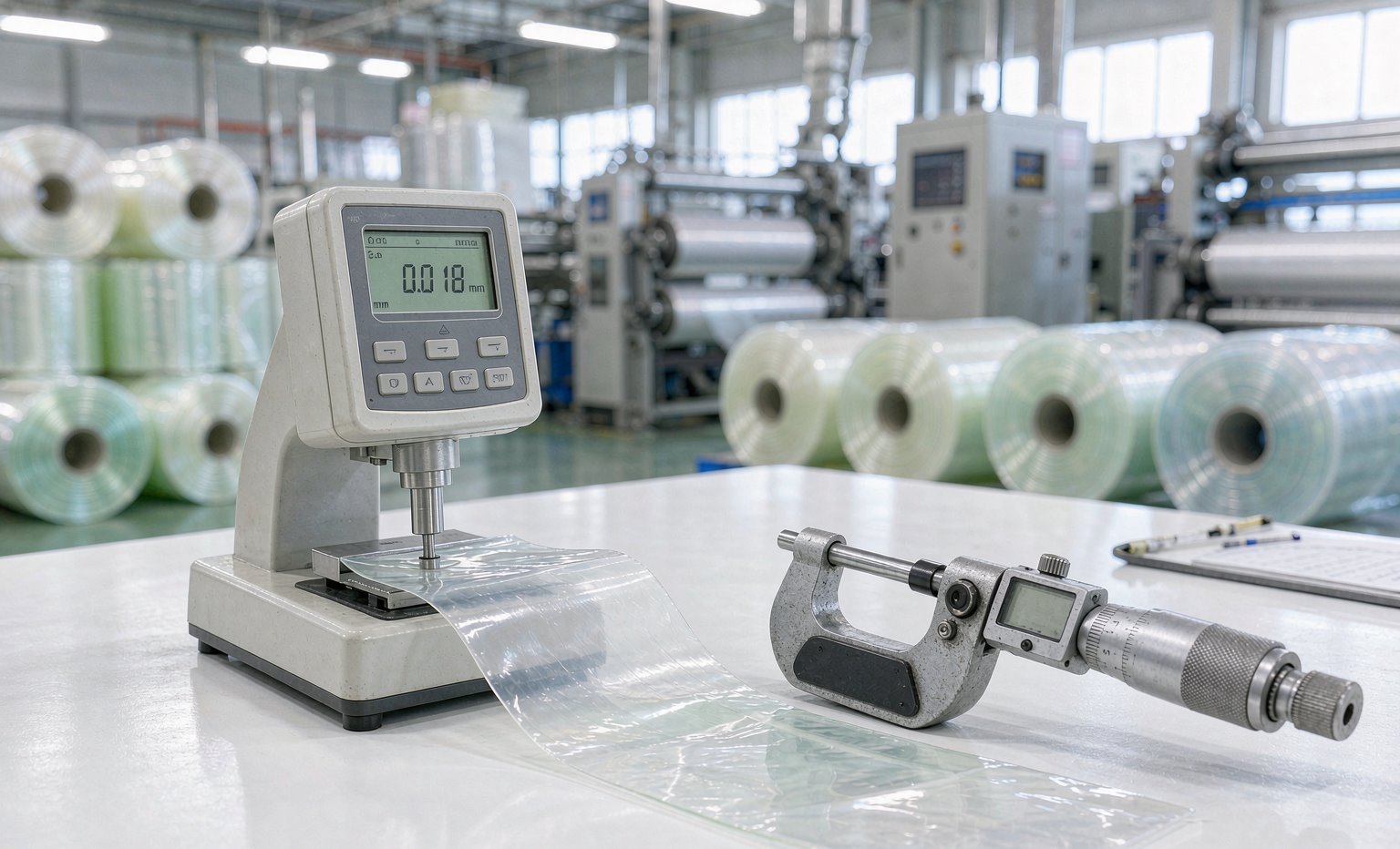
- Measure thickness yourself on a cut sample with a micrometer at 5 points across the sheet — including both edges. Cheap film thins at the edges.
- Stretch and fold test: good LLDPE film stretches and springs back; recycled or over-filled film goes white and cracks at a sharp fold.
- Check roll winding: tight and even, no loose layers, no visible joins, clean printed label with all specifications.
- Confirm the additive is in the core layer, not only surface-coated — coated additives wash off within one rainy season.
- State your spray programme and ask for confirmation that the UV package is sulfur-compatible.
- Keep the label and a signed sample from the actual shipment — that is your evidence if the film fails early.
6. Frequently asked questions
Does thicker film reduce light for my crops?
Slightly. Going from 100 to 200 µm costs roughly 1–2% light transmission — far less than the loss from a dusty or fogged sheet. For fruiting crops the strength benefit outweighs the small light cost.
Can I buy 80 µm film and use it for two seasons?
Only in low-UV, low-wind conditions. In equatorial Africa an 80 µm film without a strong UV package usually becomes brittle within 6–9 months and tears at the fixing points during the second season’s storms.
Is diffuse (milky) film better than clear in the tropics?
For fruiting crops under intense equatorial sun, yes — diffuse film spreads light into the lower canopy and prevents leaf and fruit burn. For seedlings and leafy greens where you want maximum growth speed, clear film is the better choice.
What paperwork should a serious supplier provide?
A written specification sheet (thickness, width, UV years, additive package), the roll label matching that specification, and ideally a test report. If a supplier can only say “strong” and “long-lasting”, treat the quote as a risk.
Need a thickness and UV recommendation for your farm?
Send us your crop, tunnel size and location — our engineers reply with a specification sheet within 24 hours.
Related guides
What Is Greenhouse Film? Material, Quality and Real-World Use
The material basics: PE and LLDPE resins, co-extrusion, film types and daily-use details.
Read more →
Eight Product Lines, One Factory: the AgriCloud Range
From covering films to irrigation and nursery trays — how the lines combine into crop systems.
Read more →
Talk to the Factory Directly
Technical replies within 24 hours, Mon–Sat.
Read more →